
In 2018, Ireland voted to repeal the Eighth Amendment and legalise abortion following one of the largest civil society campaigns in the State’s history. Together for Yes brought together more than 100 organisations in a national campaign for reproductive rights, combining grassroots organising, strategic communications and feminist leadership. Following the referendum, the campaign’s Co-Directors commissioned an independent learning review to capture what had been achieved, what had been difficult and what future movements could learn from the experience. Michael Barron Social Change Consultancy, the precursor to NB Social Justice Studio, was commissioned to lead the work.
Led by Dr Michael Barron, with Jaime Nanci as Deputy Lead, the review combined interviews, focus groups, a national survey of 351 activists and a detailed review of campaign documents, media coverage and polling data. More than twenty campaign leaders and organisers took part in in-depth interviews, alongside activists and volunteers from across the country. The aim was not to tell a simple success story, but to create an honest account of how the campaign worked and what others might learn from it.
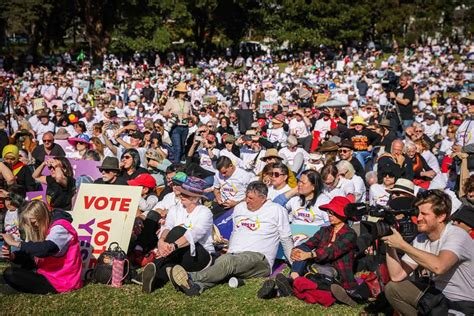
The review found that the campaign’s strength came from its ability to bring together a wide range of organisations and communities around a shared purpose while allowing different groups to contribute in different ways. It highlighted the importance of trusted leadership, clear decision-making structures and strong relationships across the coalition. It also explored how the campaign’s Care, Compassion, Change message helped connect with voters and how extensive grassroots organising enabled hundreds of thousands of conversations to take place in communities across Ireland.
For us, one of the most important aspects of this project was the opportunity to document the campaign honestly. Too often, evaluations of successful campaigns become celebrations of success. The Together for Yes team wanted something different. They wanted a record of what worked, what was difficult, where tensions emerged and what future movements could learn.
That commitment to honesty is one of the reasons the report continues to be used by campaigners, researchers and community organisations. It captured not just the campaign’s achievements, but also the hard work, disagreements, risks and difficult decisions that come with organising at national scale.
The project has continued to influence how we approach research and evaluation. We are interested in how change happens in practice, how organisations and movements learn, and how important lessons can be carried forward rather than lost once a campaign ends. Good documentation is not simply a record of the past. It helps strengthen future organising by ensuring that experience, knowledge and hard-won lessons are not forgotten.
The Together for Yes campaign showed that values-led organising and disciplined campaigning can go hand in hand. It combined grassroots activism, strong leadership, careful planning, fundraising, communications and volunteer mobilisation on a scale rarely seen in Ireland. The learning review offers a detailed account of how that happened and the lessons that others can draw from it.