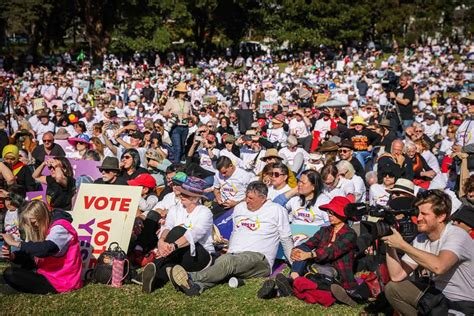

In 2018, Ireland voted to repeal the Eighth Amendment and legalise abortion, following one of the largest feminist and civil‑society campaigns in its history. Together for Yes brought more than 100 organisations into a national, values‑driven coalition for reproductive rights, combining grassroots organising, strategic communications and feminist leadership. In the months after the referendum, the campaign’s Co‑Directors commissioned an independent learning review, seeking honest documentation of what worked, what was difficult, and what future movements could do differently. NB Social Justice Studio’s precursor, Michael Barron Social Change Consultancy, was asked to lead this work.
Led by Dr Michael Barron, with Jaime Nanci as Deputy Lead, the review used a mixed‑methods, participatory research design that treated activists’ lived experience as legitimate knowledge. More than 20 in‑depth interviews with campaign directors, national leads and key strategists were combined with three focus groups, a nationwide survey of 351 activists, and a review of over 100 internal documents, campaign materials, media coverage and polling data. The work was grounded in feminist ethics of care, consent and transparency, and consciously avoided a hero narrative, instead documenting the collective labour of thousands of people who canvassed, coordinated, fundraised, planned and held communities through a deeply personal national debate.
The findings highlight five core areas that continue to shape our understanding of democratic movements and feminist leadership. They show how Together for Yes treated coalition as strategy rather than mere structure, coordinating trade unions, migrant‑led organisations, youth and student groups, professional bodies and local alliances through shared values and clear governance without insisting on identical tactics. They demonstrate that a three‑director model of collective feminist leadership can operate effectively at national scale when there is sustained attention to relationships, trust‑building and conflict navigation. They trace how the Care, Compassion, Change message framework drew on years of evidence to reframe abortion from an abstract rights dispute into a concrete, ethical question of healthcare and care. They underline that grassroots mobilisation was planned and resourced as seriously as media and policy work, with 36 regional groups, thousands of volunteers and digital canvassing tools supporting more than 250,000 recorded door‑to‑door conversations. Finally, they distil sixteen practical lessons on issues such as volunteer care, fundraising compliance, message discipline and data use that now inform other movements.
For NB Social Justice Studio, this project was significant because it demonstrated that independent evaluation can function as movement accountability rather than public relations. The Together for Yes Learning Review prioritised accuracy over comfort, capturing tensions, power dynamics and difficult choices alongside the campaign’s successes. That integrity is a key reason why the report continues to be used in training, teaching and strategy spaces focused on feminist leadership, coalition governance and democratic participation. It has also shaped how we now work across philanthropy, equality and democracy: we design evaluations that centre collective labour, hold space for complexity, and treat documentation itself as civic practice that strengthens memory between movements.
For those building or funding social‑justice campaigns in Ireland, Europe or beyond, the Together for Yes case offers a detailed, evidence‑based account of how to run large‑scale, values‑led mobilisation under intense political pressure. It shows how participatory research, narrative change and feminist governance can sit alongside rigorous financial oversight, data‑driven field operations and message testing, and it demonstrates that movements are strongest when they make time to learn from themselves, even—and especially—when the story is more complex than a simple win.